Plastic and wooden sticks often require additional handling, storage, or cleaning before use. Wooden sticks, in particular, are prone to moisture absorption, splintering, and inconsistent quality.
What this leads to:
1. Higher rejection rates during quality checks
2. Increased customer complaints, especially for kids’ products
3. Loss of repeat orders due to trust issues
Even a 2% to 3% rejection rate in bulk festive production can translate into thousands of rupees lost per batch. Paper sticks, being single-use and food-grade, significantly reduce this risk.
Plastic sticks can bend under heat or pressure. Wooden sticks can snap or splinter when exposed to freezing or moisture-heavy applications like kulfi or chocolate coatings.
This results in:
1. Damaged final products
2. Rework time for staff
3. Unsellable inventory
In high-volume operations, even 1 in 50 damaged units can impact margins noticeably. Paper sticks are engineered for uniform strength, reducing breakage and improving consistency across batches.
Today’s consumers are actively choosing brands that align with their values. Packaging plays a visible role in this decision.
When customers see:
1. Plastic sticks – the product feels mass-produced and disposable
2. Wooden sticks – concerns around hygiene and finish
3. Paper sticks – clean, modern, and eco-conscious
Businesses using sustainable paper sticks are often able to command 5 to 10 percent higher perceived value, especially in urban markets, corporate gifting, and festive hampers.
Not switching means leaving this pricing power untapped.
India’s plastic regulations are tightening steadily. While sticks may not always be the first category targeted, food-contact plastic is under increasing scrutiny.
The cost of waiting:
1. Sudden need to change suppliers
2. Emergency packaging redesigns
3. Delayed orders during peak seasons
4. Loss of corporate or export clients who mandate sustainable packaging
These are not hypothetical risks. They are already impacting food businesses that rely heavily on plastic-based components.
Plastic and treated wooden sticks contribute to non-biodegradable waste. For businesses producing at scale, this creates:
1. Higher waste disposal volumes
2. Negative audit outcomes for institutional clients
3. Poor sustainability reporting
Paper sticks, on the other hand, decompose naturally and align with circular economy goals. Over time, this simplifies waste management and improves brand standing with partners and regulators.
The baking and dessert space is more crowded than ever. Home-bakers, cloud kitchens, cafés, and sweet shops are all competing for the same attention.
Small signals matter.
A dessert served on a plastic stick sends a very different message than one served on a clean, sturdy paper stick. Over time, these signals influence:
1. Customer reviews
2. Social media perception
3. Brand recall
4. Word-of-mouth recommendations
Failing to switch is not just an environmental miss. It is a branding miss.
Paper sticks are no longer a compromise product. They are designed for performance.
Modern paper sticks offer:
1. Uniform strength across batches
2. No splintering or chemical leaching
3. Compatibility with hot and cold applications
4. Food-safe, single-use hygiene
5. Biodegradability
For businesses, this translates into lower losses, higher trust, and better long-term economics.
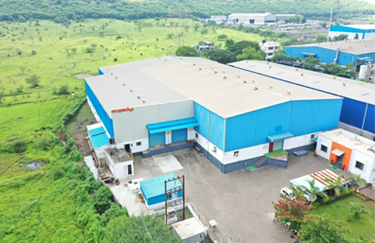
As a packaging company in India, Ecopack has seen first-hand how small switches can drive big operational improvements.
Ecopack paper sticks are designed to:
1. Perform reliably during baking, freezing, and coating
2. Support festive-scale production
3. Align with sustainability goals without sacrificing durability
They are not just an eco-friendly choice. They are a business decision.
Plastic and wooden sticks may seem inexpensive on a per-unit basis. But when you factor in hygiene risks, breakage, compliance uncertainty, lost premium positioning, and waste costs, the real expense becomes clear.
Switching to paper sticks is not about spending more. It is about losing less.
In 2026, the most profitable businesses will be the ones that look beyond surface costs and make smarter, future-ready choices – one small component at a time.
For any information send an email to our Customer Service or contact us via social networks.
info_india@ecopack.com hr@ecopack.com© 2023 ECOPACK INDIA PAPER CUP PVT. LTD.