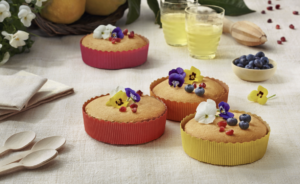
To better understand this, the most essential question to answer is – What Is Greaseproof Paper?
Greaseproof paper is specially treated paper that resists oil and moisture. In baking, it:
a. Prevents sticking
b. Reduces the need for butter or oil
c. Improves texture and finish
d. Ensures consistent results
How's it Different From Regular Paper?
Pretty common question. Well, Greaseproof paper is not just regular paper. It is manufactured using processes that make it:
a. Dense and tightly packed
b. Resistant to oil penetration
c. Capable of handling heat
Unlike standard paper, it does not absorb fats easily, which makes it ideal for baking applications.
The Core Function of Greaseproof Baking Paper - Oil Resistance
So, what happens without greaseproof paper? a. Butter or oil seeps into the surface b. Desserts stick to moulds c. Additional greasing becomes necessary
With greaseproof paper a. Oil stays within the batter b. Minimal greasing required c. Cleaner release after baking
This directly impacts both texture and efficiency.
Texture and Product Quality
One of the most overlooked aspects of baking is how the mould affects texture.
Greaseproof paper helps:
a. Maintain moisture balance b. Prevent overly oily surfaces c. Ensure even baking
For products like muffins, brownies, and cakes, this leads to: Softer crumb, Better structure, and Cleaner edges.
Heat Distribution and Baking Consistency
Greaseproof paper works as a stable medium between batter and heat source. It helps:
a. Distribute heat more evenly b. Prevent burning at contact points c. Maintain consistent baking results
This is especially important in commercial kitchens where batch consistency matters.
Reduction in Fat Usage
One of the biggest advantages is reduced dependency on butter or oil.
Traditional baking:
a. Requires greasing trays b. Adds extra calories c. Increases ingredient cost
With greaseproof moulds: a. No greasing required b. Lower fat usage c. More controlled recipes
This is beneficial for both:
a. Health-conscious consumers b. Cost-conscious businesses
Hygiene and Clean Handling
Greaseproof moulds are typically single-use, which improves hygiene.
Benefits include:
a. Reduced contamination risk
b. Cleaner handling
c. No residue from previous batches
This is critical for businesses serving high volumes
Convenience and Workflow Efficiency
Greaseproof paper simplifies baking operations. It helps by:
a. Eliminates preparation steps
b. Reduces cleaning time
c. Speeds up production cycles
For both home bakers and professionals, this translates into a smoother workflow.